
How to Pick the Perfect Paint Color
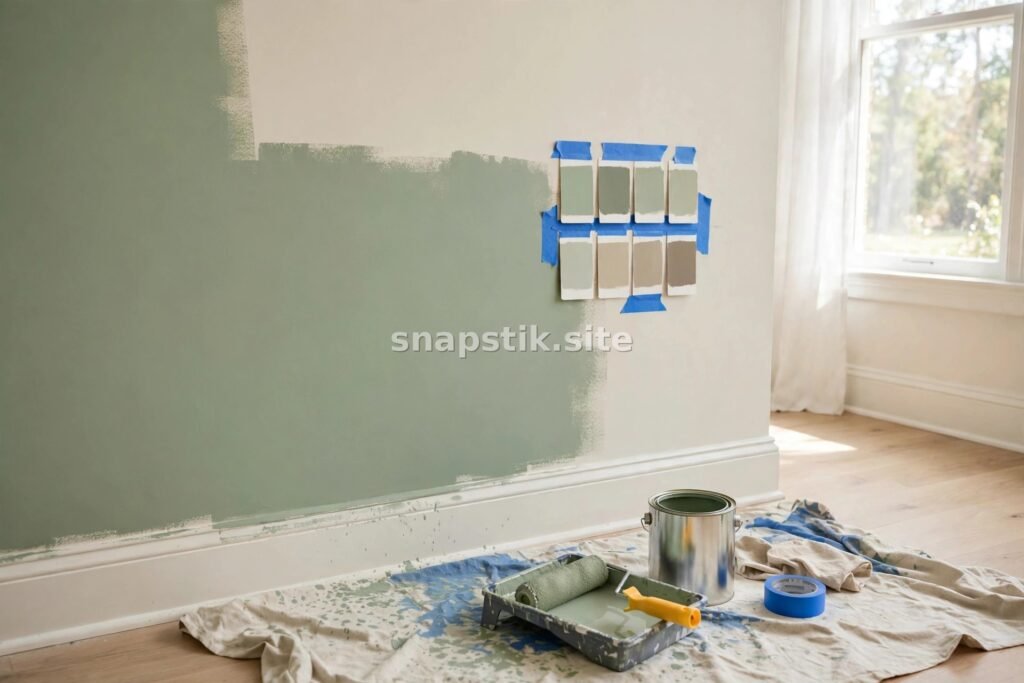
Paint is the cheapest way to transform a room, and also the easiest to get wrong. The color that looks perfect on a tiny swatch can look completely different on four walls. The good news is that choosing the right paint color follows a clear process, and if you follow it, you can pick with confidence.
The secret is that paint color is never just about the color. It is about the light in your room, the size of the space, and the furniture that will live with it.
Start With the Light
Light changes everything. A north-facing room gets cool, bluish light that makes colors look colder and slightly grey. Warm colors like soft cream, warm white, and pale peach balance that cool light beautifully.
A south-facing room gets warm, golden light most of the day. Colors look warmer and brighter there, so you can use cooler tones like sage green or soft blue without the room feeling cold.
Watch your room at different times of day before choosing. A color that looks lovely in morning light can look dull or strange in the evening.
Test Before You Commit
Never choose a paint color from a tiny swatch alone. Buy small sample pots and paint large test patches, at least two feet square, on different walls. Live with them for two or three days and look at them in morning, afternoon, and evening light.
Paint the test patches on white card and move the card around the room if you do not want marks on the wall. Hold it next to the sofa, the curtains, and the floor to see how the color works with what is already there.
Think About the Room’s Job
Different rooms need different moods. A bedroom should feel calm, so soft, muted colors work best. A living room can handle a bit more warmth and depth. A small room usually feels bigger in a light color, while a large room can carry a deeper shade on one wall.
If you are working with a small bedroom, color choice matters even more. Our guide on small bedroom ideas that feel bigger shows how light colors, mirrors, and furniture choices work together to open up a compact space.
Warm, Cool, or Neutral?
Every paint color leans warm or cool. Warm whites have a yellow or pink undertone. Cool whites lean blue or grey. Hold a swatch next to a true white piece of paper to see the undertone clearly.
Match the undertone to your room. If your floor is warm wood and your sofa is cream, a warm white will feel harmonious. If your room has grey furniture and cool light, a cool white will feel cleaner. Mixing warm and cool undertones in one room is the most common reason a paint job feels wrong.
Popular Choices That Rarely Fail
- Warm white: soft and inviting, works in almost any room.
- Light greige: a mix of grey and beige that suits modern and traditional homes alike.
- Soft sage green: calm and natural, great for bedrooms and living rooms.
- Pale blue: fresh and airy, lovely in bathrooms and bedrooms.
- Warm terracotta accent: bold but earthy, best on one feature wall.
Neutrals are safe because they let your furniture and art do the talking. If you love a bright color, try it on one wall first and keep the rest neutral.
Finish Matters Too
The paint finish changes how the color looks and how the wall wears. Matte finish hides wall imperfections and looks soft, but it marks easily. Eggshell and satin finishes are the best all-rounders for living rooms and bedrooms. Semi-gloss is best for kitchens, bathrooms, and trim because it wipes clean.
One Wall or All Four?
A feature wall in a deeper color adds drama without overwhelming the room. Choose the wall you see first when you walk in, or the wall behind the sofa or the bed. The other walls should be a lighter tone from the same color family so the room feels connected.
Feature walls work in many styles. In a calm, bright style they add depth without breaking the simplicity. For inspiration, see our Scandinavian home decor ideas. In a warmer, rustic style they add richness. Our modern farmhouse decor ideas show how deep colors work with wood and natural textures.
Before You Paint
- Test three colors, not ten. Too many choices make deciding harder.
- Paint large test patches and watch them for two days.
- Check the color next to your floor, sofa, and curtains.
- Buy a little more paint than you think you need for touch-ups.
The perfect paint color is not the trendiest one. It is the one that looks good in your light, with your furniture, at every time of day. Test it properly, trust what you see, and the room will thank you.


About The Author

Beauty Hub
Beauty Hub is a small independent website sharing practical, honest guides on nails, beauty, skincare, fashion, watches, cakes and home decor — plus plain-English guides to everyday money topics. Everything here is researched and written by our own team, with images created by us for each article.