
Roof Replacement Cost: What Affects the Price and How to Plan
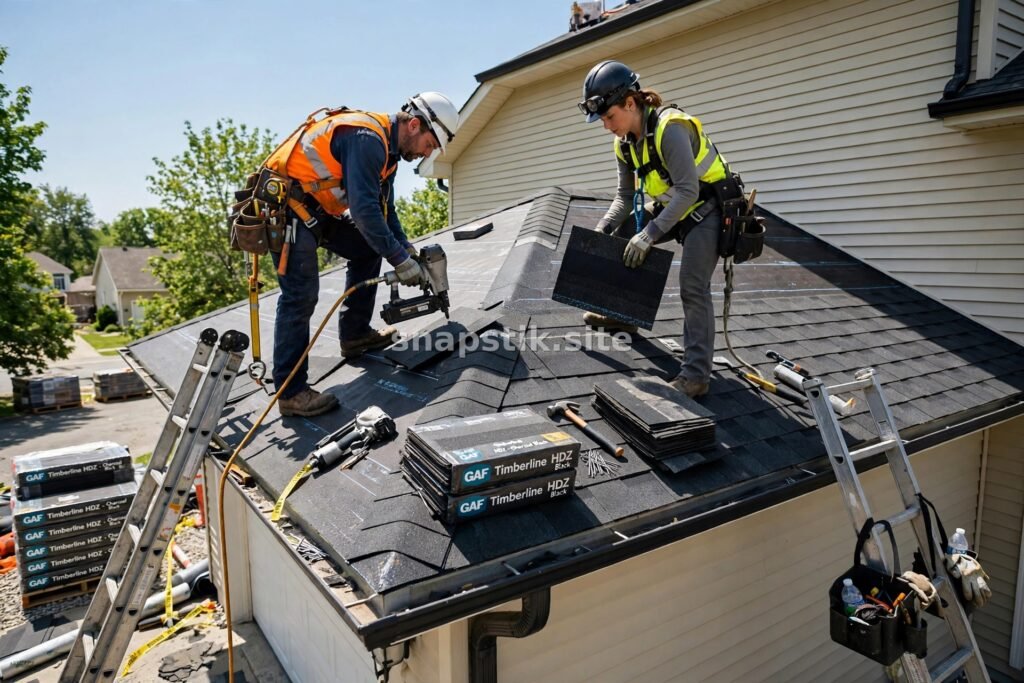
Replacing a roof is one of the biggest home expenses most homeowners will ever face, and it usually arrives when you least expect it. A leak, a storm, or a routine inspection can suddenly turn into a major project. With a little planning, it does not have to be a crisis. Understanding what affects the price, and how to prepare, will help you make calm, sensible decisions instead of rushed ones.
What Affects the Cost of a Roof Replacement?
There is no single price for a new roof, because every home is different. Several factors work together to set the final figure, and knowing them helps you compare quotes fairly.
Size and shape of your roof
The bigger your roof, the more materials and labour it needs. Steep roofs, complex shapes, and features like dormers, skylights, and chimneys all add time and difficulty, which adds cost. A simple, single-storey roof is usually the most straightforward job, while a large, multi-level roof with many angles takes longer and costs more.
Materials you choose
Roofing materials vary widely in price, lifespan, and appearance. Basic asphalt shingles are the most common choice because they are affordable and reliable for many homes. Metal, tile, and slate cost more upfront but can last much longer. Think about how long you plan to stay in the house: a longer-lasting material can be good value if you will be there for decades, but less so if you plan to move soon.
Removing the old roof
Most replacements start by stripping off the old roofing. If your roof has multiple old layers, or if the boards underneath are damaged, removal and repair add to the bill. A contractor cannot always see this damage until the old roof comes off, so ask how unexpected repairs are handled and priced before work starts.
Location and labour
Labour rates vary by region, and some areas require permits or inspections, the cost of which is usually passed on in the quote. The time of year can matter too: roofing is often busier in the warmer months, so booking ahead can help with scheduling.
How to Compare Quotes the Right Way
Getting several quotes is sensible, but only if you compare them properly. A quote that looks much cheaper than the others is not always a bargain; it may leave out something important.
- Make sure each quote lists the same materials, so you are comparing like with like.
- Check whether removal of the old roof and disposal of waste are included.
- Ask what warranty covers the materials and what covers the workmanship, and for how long.
- Confirm the expected start date, how long the job will take, and how the site will be left each day.
- Ask for proof of insurance and any relevant local licensing before you agree to anything.
A reputable contractor will welcome these questions and answer them in writing. If a quote is vague, or a contractor pressures you to decide on the spot, take that as a warning sign and keep looking.
Planning and Paying for a New Roof
A new roof is a major purchase, so it pays to plan the money side as carefully as the work itself. If your roof still has a few years of life left, start setting money aside now so the cost does not land all at once. If the replacement is urgent, talk to your contractor about payment schedules: it is normal to pay in stages as work progresses, and you should be wary of anyone who demands full payment upfront.
It is also worth checking whether your home insurance covers any of the damage, especially if a storm caused the problem. Policies differ widely, so read yours carefully and ask your insurer directly. Our guide to home insurance quotes explains what to look for when reviewing cover, and can help you understand what your policy may or may not include.
While the work is underway, think about what else your roof protects. A leaking roof is a common cause of water damage inside a home, so if you have had leaks, read our guide to water damage restoration to understand what to check for and when to call in a specialist.
Getting the Most From Your New Roof
Once the new roof is on, a little care goes a long way. Keep gutters clear, trim back overhanging branches, and have the roof checked after severe weather.
A roof replacement is a big job, but it is also one of the most valuable improvements you can make to your home. It protects everything underneath it, improves how your house looks, and gives you peace of mind for years.
This article is general information, not legal, financial or medical advice.



About The Author

Beauty Hub
Beauty Hub is a small independent website sharing practical, honest guides on nails, beauty, skincare, fashion, watches, cakes and home decor — plus plain-English guides to everyday money topics. Everything here is researched and written by our own team, with images created by us for each article.