
Gluten-Free Cake Baking Tips
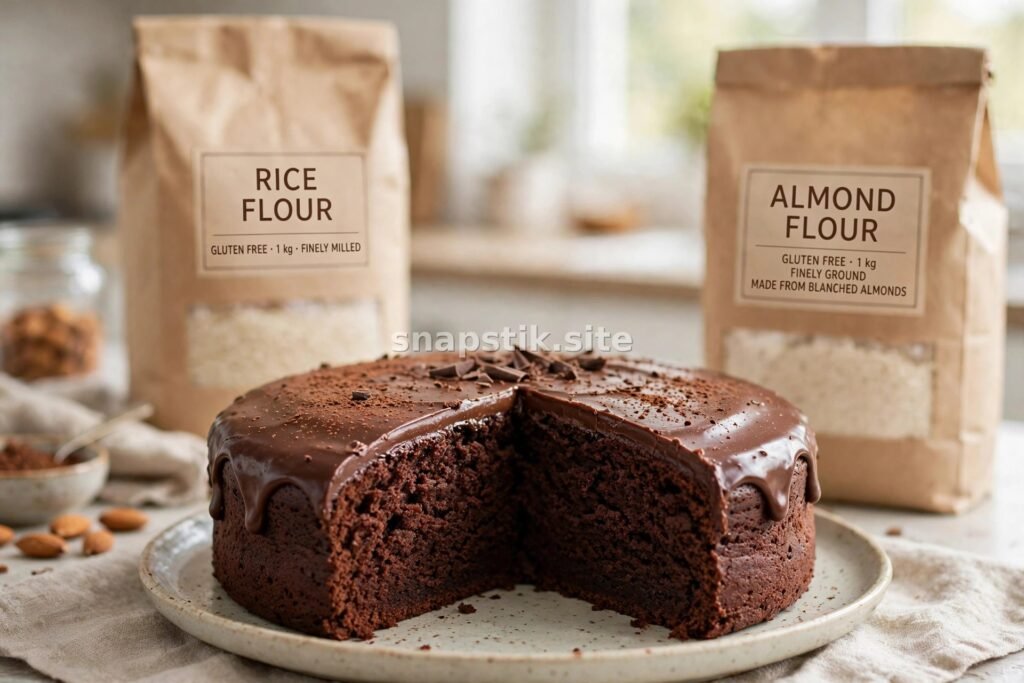
Gluten-free baking has a reputation for producing dry, crumbly cakes. But with the right flour blend and a few adjustments, a gluten-free cake can be just as soft, moist, and delicious as a traditional one. Whether you are baking for someone with coeliac disease or simply want to try gluten-free recipes, these tips will help you get reliable results.
Choose the Right Flour Blend
Gluten-free baking is not about swapping in a single flour. The best results come from a blend. A good all-purpose gluten-free flour blend usually contains rice flour, potato starch, tapioca starch, and xanthan gum. You can buy a ready-made blend, which is the easiest option, or mix your own. Almond flour adds moisture and richness and works wonderfully in cakes, especially when combined with a starch-based blend. Avoid using only one flour, like coconut flour, on its own. Coconut flour absorbs a huge amount of liquid and will dry out your cake unless the recipe is designed for it.
Xanthan Gum Matters
Gluten gives cake its structure and elasticity. Without it, you need a binder. Xanthan gum does this job. Most ready-made blends already include it, but if you are mixing your own flour, add about half a teaspoon of xanthan gum per cup of flour. Without a binder, your cake may crumble when you slice it. Do not add too much, though, or the cake can turn gummy.
Add Extra Moisture
Gluten-free flours tend to absorb more liquid than wheat flour, so gluten-free cakes often need extra moisture. Sour cream, yogurt, applesauce, or an extra egg all help. Oil also keeps gluten-free cakes moist for longer than butter alone. Let the batter rest for 15 to 30 minutes before baking. This gives the flours time to absorb the liquid fully, which improves the texture and reduces grittiness.
Adjust Baking Time and Temperature
Gluten-free cakes often need a slightly lower temperature and a little more time. Try reducing the oven temperature by about 10 degrees Celsius and checking the cake a few minutes later than the recipe suggests. The toothpick test still works, but look for moist crumbs rather than a completely clean toothpick. A gluten-free cake can look done on top while the center is still soft, so test in the very middle.
Best Cakes to Make Gluten-Free
- Chocolate cake. Cocoa masks any difference in flour flavor, and the moisture from the cocoa keeps the crumb soft. Our guide on how to bake the perfect chocolate cake adapts well with a 1-to-1 gluten-free flour blend.
- Carrot cake. The grated carrots and oil keep it naturally moist.
- Almond cake. Almond flour is naturally gluten-free and gives a rich, tender crumb.
- Flourless chocolate cake. Made with eggs and chocolate instead of flour, it is naturally gluten-free and deeply rich.
Avoiding Cross-Contamination
If you are baking for someone with coeliac disease, cross-contamination matters. Use clean bowls, utensils, and pans. Avoid wooden spoons and scratched non-stick pans that may hold traces of flour. Use fresh baking powder and check that your vanilla extract and cocoa powder are certified gluten-free.
Converting a Regular Recipe
You can convert most regular cake recipes to gluten-free by swapping the flour for a 1-to-1 gluten-free blend and adding a little extra liquid. Start by adding two tablespoons of milk or water to the batter, and let it rest for 20 minutes before baking. The rest time is important because gluten-free flours absorb liquid more slowly. If the cake turns out slightly dense, add an extra egg next time, which improves the structure and richness.
Common Mistakes
The most common gluten-free mistakes are using the wrong flour, skipping the rest time, and overbaking. If your cakes come out dry, add more moisture and rest the batter longer. If they crumble, check your xanthan gum. For more troubleshooting, our guide on how to fix common cake baking mistakes covers the issues that affect all cakes. And if you also need dairy-free options, our vegan cake recipes include several that are naturally gluten-free too.
10 Easy Cake Decorating Ideas for Beginners

Carrot Cake with Cream Cheese Frosting

Banana Cake: The Best Way to Use Ripe Bananas
About The Author

Beauty Hub
Beauty Hub is a small independent website sharing practical, honest guides on nails, beauty, skincare, fashion, watches, cakes and home decor — plus plain-English guides to everyday money topics. Everything here is researched and written by our own team, with images created by us for each article.