
Dental Implants Cost: What to Know Before You Decide
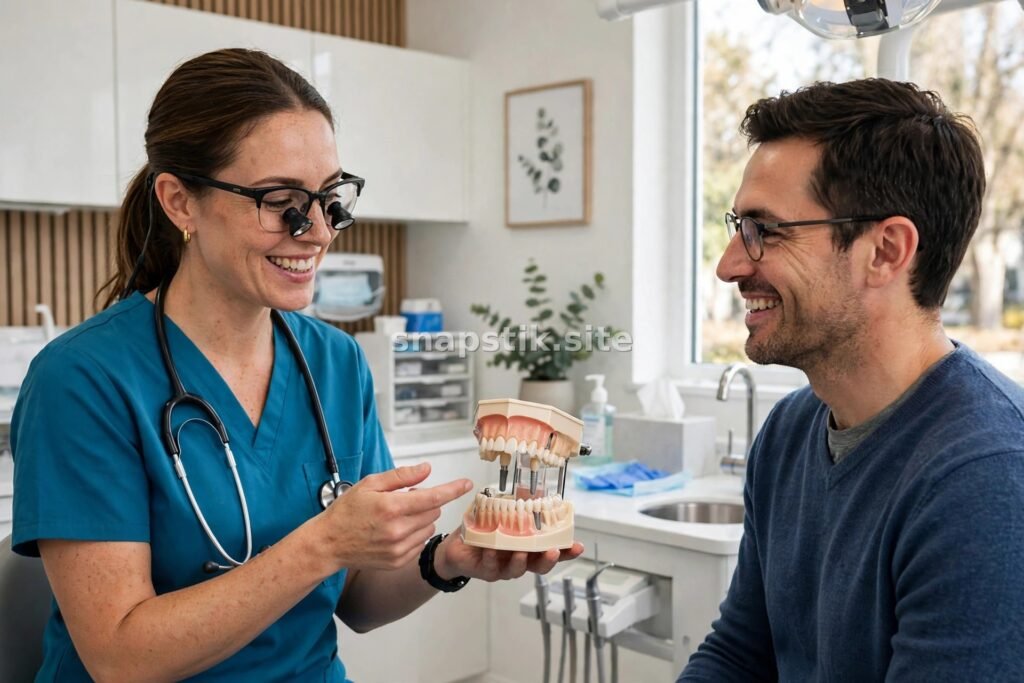
Losing a tooth — or living with one that cannot be saved — affects far more than your smile. It can make eating harder, change the way you speak, and slowly affect the teeth around it. Dental implants are one of the most popular long-term solutions, but they are also a significant decision, involving surgery, several months of healing, and a cost that varies widely from person to person. This guide explains what implants are, what shapes the cost, and what the treatment journey looks like, so you can talk to your dentist with confidence.
What Are Dental Implants?
A dental implant is a small, screw-shaped post, usually made of titanium, that is placed into the jawbone to act as an artificial tooth root. Once it has healed and bonded with the bone, a crown — the visible part that looks like a tooth — is fitted on top. The result looks and feels much like a natural tooth, and it does not rely on neighbouring teeth for support, which is one of its main advantages over bridges.
What Affects the Cost
There is no single price for an implant, because several factors come together. The number of implants needed is the most obvious one: a single tooth costs less to replace than several, and a full arch is a different scale of treatment altogether. The condition of your jawbone matters too — if bone has thinned after tooth loss, additional procedures may be needed before an implant can be placed.
- Number of implants: one tooth, several teeth, or a full arch each need a different plan.
- Bone and gum health: healthy bone and gums usually mean a simpler treatment.
- Materials and crown type: different crown materials suit different budgets and positions.
- Location and clinic: costs vary by area and by the clinic’s experience and facilities.
- Follow-up care: check-ups and hygiene visits are part of the long-term picture.
The Treatment Process, Step by Step
Consultation and Planning
Treatment starts with a consultation, scans, and a full assessment of your mouth, bone, and general health. Your dentist will explain whether you are a suitable candidate, what alternatives exist, and what the timeline looks like. This is the time to ask questions — a good clinic will welcome them.
Placement and Healing
The implant is placed during a minor surgical procedure, usually under local anaesthetic. Healing then takes several months while the implant bonds with the bone. During this time you may have a temporary tooth so the gap is not visible. It is a slow process, but the waiting is what gives implants their strength and longevity.
Fitting the Final Crown
Once healing is complete, an impression is taken and your final crown is made to match the shape and colour of your surrounding teeth. After fitting, your dentist will check your bite and give you care instructions. With good brushing, flossing, and regular check-ups, implants can last for many years.
Alternatives Worth Comparing
Implants are not the only option. A bridge can replace a missing tooth by anchoring to the teeth on either side, and a denture can replace several teeth at a lower cost. For teeth that are crooked rather than missing, our guide to Invisalign cost explains a very different kind of treatment and what it involves. Each option has trade-offs in comfort, longevity, and maintenance, so compare them honestly with your dentist rather than deciding on price alone.
Questions to Ask Your Dentist
Before you commit, ask what is included in the quoted plan, how long each stage takes, what happens if an implant does not take, and what aftercare is included. Ask too about payment plans, and check whether your cover helps: our guide to private health insurance explains how dental cover is usually structured and what to look for in a policy.
This article is general information, not medical advice — always discuss treatment options with a qualified dentist.
Dental implants are a big decision, but for many people they are the closest thing to getting their own tooth back. Understand the process, weigh the alternatives, and choose a clinician you trust — the result should serve you well for years to come.

CRM Software for Small Business

Cloud Hosting Services: A Beginner’s Guide to Choosing the Right Plan

Business Insurance
About The Author

Beauty Hub
Beauty Hub is a small independent website sharing practical, honest guides on nails, beauty, skincare, fashion, watches, cakes and home decor — plus plain-English guides to everyday money topics. Everything here is researched and written by our own team, with images created by us for each article.