
Water Damage Restoration: Steps to Take After a Leak or Flood
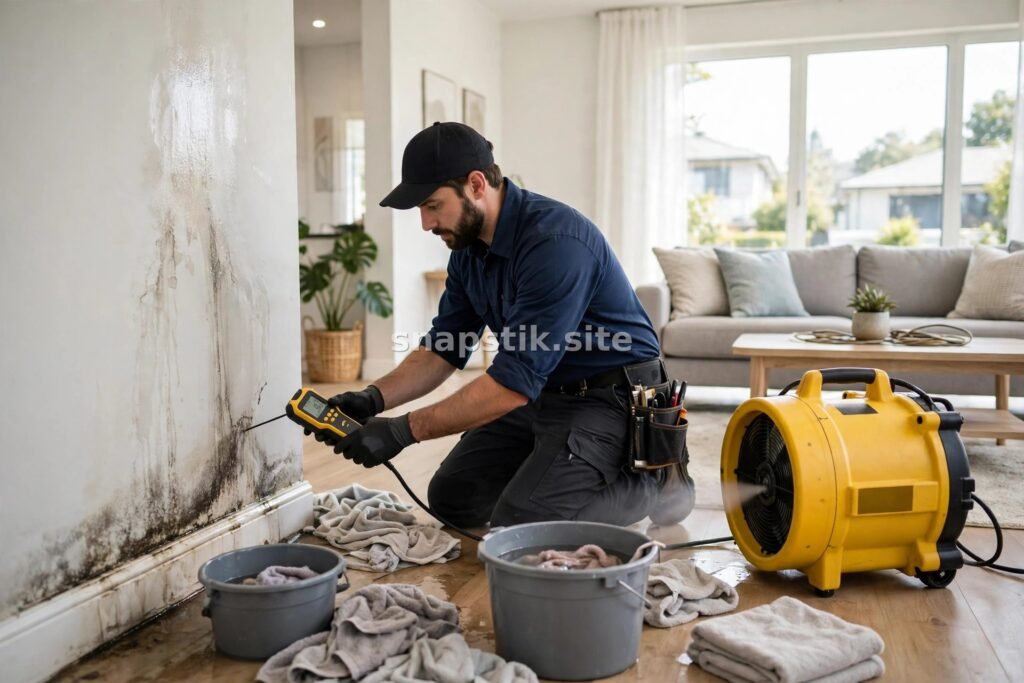
Finding water where it should not be — pooling on the floor, staining the ceiling, or soaking into the carpet — is one of the most stressful things a homeowner can face. Whether the cause is a burst pipe, a leaking appliance, or a heavy storm, water damage gets worse with every hour it sits. The good news is that quick, calm action can limit the damage, protect your home’s structure, and make the whole restoration process far smoother. Here is what to do after a leak or flood, step by step.
First, Stop the Water and Stay Safe
Your first job is to stop more water coming in. If the leak is from a pipe or appliance, shut off the water supply to that fixture, or turn off the main water valve for the house if you cannot find the source. If water is near electrical outlets, switches, or appliances, do not touch them — switch off the power at the breaker box if you can do so safely from a dry spot. Never wade through water if you cannot see the floor beneath it, and be careful on wet stairs and slippery surfaces.
If a pipe has burst or a fixture is leaking badly, call for help right away — our guide to emergency plumbing services explains what to expect when a plumber arrives and how to prepare while you wait.
Remove the Water and Start Drying
Once the flow has stopped, get the water out as fast as you can. Mop up small amounts, use towels for puddles, and scoop or wet-vacuum larger pools. Move rugs, cushions, and furniture away from wet areas so they can dry separately, and lift curtains and fabric off the floor. Open windows and doors on dry days to let fresh air circulate, and run fans to keep air moving across damp surfaces.
What You Can Handle Yourself
Small, clean-water spills from a sink or a supply line are often manageable on your own if you act fast and the affected area is limited. Dry the surface thoroughly, check underneath rugs and behind furniture, and keep the room ventilated for several days. If anything still smells damp after a few days, it probably is — pull it up or move it and dry the area underneath.
When to Call a Professional
Call a restoration professional when the water has soaked into walls, ceilings, or flooring, when it has come from a drain or sewer, or when you are unsure how far it has spread. Professionals use moisture meters and drying equipment that reach water hidden inside walls and under floors, and they can tell you which materials can be saved and which need replacing.
How Professional Water Damage Restoration Works
A restoration visit usually follows a clear sequence. First comes an assessment: the technician finds the water source, checks how far the moisture has spread, and sorts the water into clean, grey, or contaminated categories, which decides how items are handled. Next comes extraction, where pumps and vacuums remove standing water. Then drying begins — industrial air movers and dehumidifiers run for several days while moisture levels are checked regularly. Finally, affected surfaces are cleaned and sanitised, and damaged materials such as plasterboard, flooring, or skirting are repaired or replaced.
Insurance, Paperwork, and Preventing the Next Leak
Before you throw anything away, take photos and short videos of every affected room, and keep a simple written list of damaged items with approximate dates of purchase. This record is invaluable when you speak to your insurer. Contact your insurance company promptly, describe what happened, and ask what your policy covers and what evidence it needs. If you are reviewing your cover, comparing home insurance quotes can help you understand what different policies include for water damage and escape of water.
Once things are dry, look for the cause and fix it properly. A leak that came through the roof may mean it is time to read our roof replacement cost guide and plan repairs before the next storm. Check washing-machine hoses, dishwasher connections, and gutters twice a year, and consider a water-leak detector near appliances — small checks now can prevent a far bigger job later.
This article is general information, not legal, financial or medical advice.
Water damage is stressful, but it is also very fixable when you act quickly, dry thoroughly, and get professional help for anything beyond a small spill. Stop the water, stay safe, document everything, and your home will be back to normal sooner than you think.

Solar Panel Installation Cost: A Homeowner’s Planning Guide

Invisalign Cost: A Simple Guide to Clear Aligner Pricing Factors

Best Payroll Software
About The Author

Beauty Hub
Beauty Hub is a small independent website sharing practical, honest guides on nails, beauty, skincare, fashion, watches, cakes and home decor — plus plain-English guides to everyday money topics. Everything here is researched and written by our own team, with images created by us for each article.