
Red Velvet Cake: Tips for the Perfect Crumb
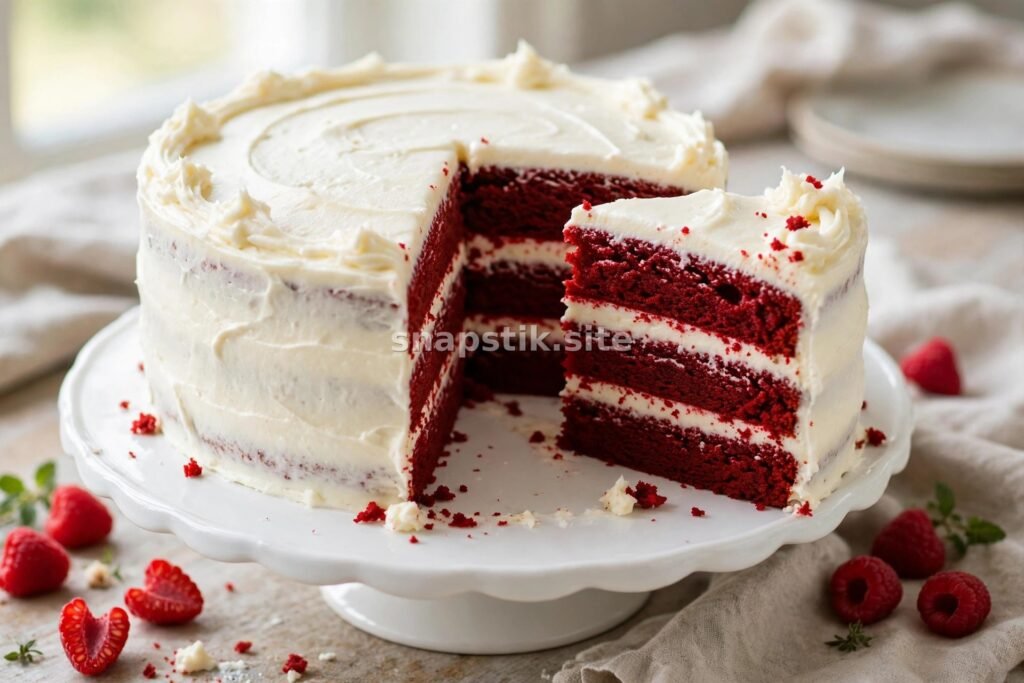
Red velvet cake is one of the most striking cakes you can bake. The deep red crumb against white cream cheese frosting looks stunning, and the flavor is a gentle mix of cocoa, vanilla, and a slight tang. But red velvet is also easy to get wrong. Too much cocoa and it tastes like chocolate cake. Too little acid and the crumb turns dense. Here is how to get the perfect red velvet crumb every time.
What Makes Red Velvet Different
Red velvet is not just chocolate cake with red food coloring. It is a distinct cake with a fine, velvety crumb and a mild cocoa flavor. The classic recipe uses a small amount of cocoa powder, buttermilk, vinegar, and baking soda. The acid in the buttermilk and vinegar reacts with the baking soda to create lift, and it also gives the cake its signature slight tang. Understanding this chemistry is the key to getting the texture right.
Getting the Color Right
Traditional red velvet gets its color from a reaction between natural cocoa powder and acidic ingredients, which produces a reddish-brown hue. Modern recipes add red food coloring to get that vivid red. Use gel food coloring rather than liquid, because it gives a stronger color with less liquid. One to two tablespoons of red gel coloring is usually enough. Add it to the wet ingredients so it distributes evenly. If you prefer to avoid artificial coloring, beetroot powder can give a softer red tint, though the color will be more muted.
Tips for the Perfect Crumb
- Use cake flour if you can. Cake flour has less protein than all-purpose flour, which produces a finer, softer crumb. If you only have all-purpose flour, replace two tablespoons of flour per cup with cornstarch.
- Do not add too much cocoa. Two to three tablespoons is plenty. More cocoa makes the cake taste like chocolate cake and can dry out the crumb.
- Use room-temperature buttermilk. Cold buttermilk does not mix evenly. If you do not have buttermilk, stir a tablespoon of lemon juice or white vinegar into a cup of milk and let it sit for five minutes.
- Mix gently once the flour is in. Overmixing develops gluten and makes the crumb tough instead of velvety.
- Do not overbake. Red velvet dries out fast. Check it a few minutes early and pull it out when a toothpick comes out with a few moist crumbs.
Cream Cheese Frosting
Cream cheese frosting is the classic partner for red velvet. Use full-fat block cream cheese, not the spreadable kind from a tub, because it holds its shape better. Beat softened butter and cream cheese together until smooth, then add powdered sugar and vanilla. The frosting should be thick enough to spread but soft enough to pipe. If it is too soft, chill it for 20 minutes before using. For more frosting guidance, see how to frost a cake like a professional, which covers crumb coats and smooth finishes.
Red Velvet for Special Occasions
Red velvet is a natural choice for celebrations because it looks so striking. For birthdays, top it with red velvet crumbs made from a trimmed layer. For Valentine’s Day, decorate with fresh raspberries and a dusting of cocoa. The deep red crumb also makes it a beautiful choice for Christmas dessert tables and anniversary cakes.
Serving and Storing
Red velvet cake tastes best at room temperature, so take it out of the fridge 30 minutes before serving. Store it covered in the fridge for up to five days, because the cream cheese frosting needs to stay cold. If you love the tangy cream cheese pairing, you will also enjoy our carrot cake with cream cheese frosting. And if you want to master the vanilla base that shares many of the same techniques, read our guide to a moist vanilla cake every time.

How to Fix Common Cake Baking Mistakes

How to Make a Layer Cake Without It Leaning

How to Make a Drip Cake at Home
About The Author

Beauty Hub
Beauty Hub is a small independent website sharing practical, honest guides on nails, beauty, skincare, fashion, watches, cakes and home decor — plus plain-English guides to everyday money topics. Everything here is researched and written by our own team, with images created by us for each article.