
Vintage Watches: What to Look For When Buying
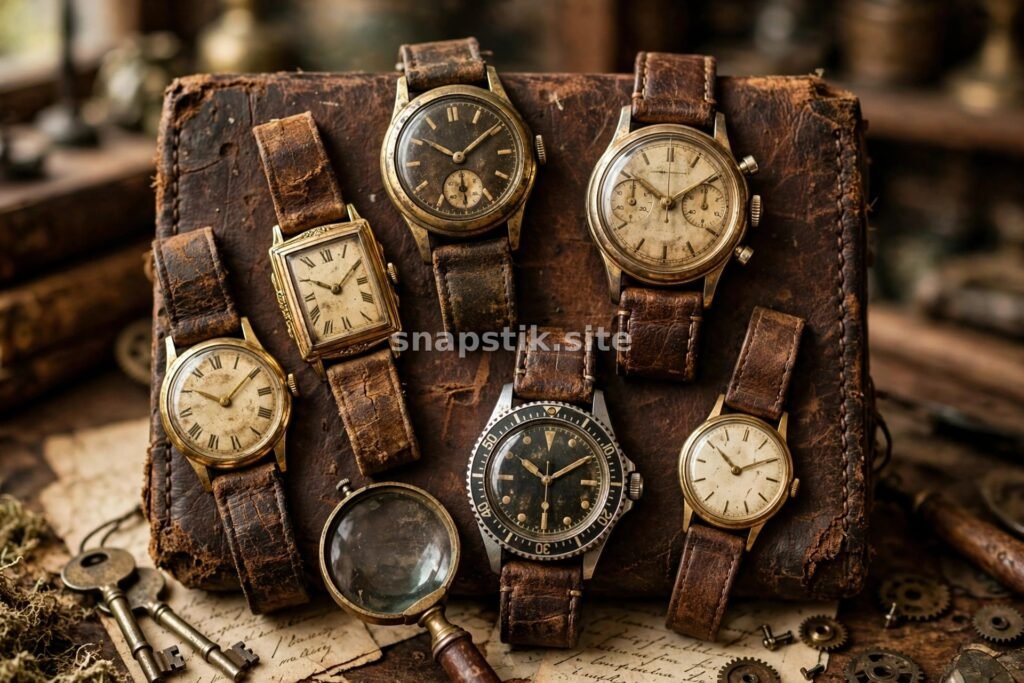
Vintage watches have a charm that new watches cannot match. A watch from the 1960s or 1970s carries history in its dial, its patina and its story — and it can be a wonderful addition to a collection. But buying vintage is different from buying new, and there are traps for the unwary. Here is what to look for before you buy.
Start with Research
Before you buy any vintage watch, learn about the model you want. Find out when it was made, what the original dial looked like, which movement it should have, and what a fair price is. Collector forums, reference books and auction records are all useful. The more you know, the harder it is to be fooled. Pay particular attention to the details that are commonly faked or replaced: the dial, the hands, the crown and the bracelet. If you are new to buying watches, our guide on how to choose your first luxury watch covers the basics of buying safely.
Check the Dial and Hands
The dial is the most important — and most commonly altered — part of a vintage watch. Look for a dial that matches the age of the watch: even, natural ageing (known as patina) is normal and often desirable, but a dial that looks freshly printed on an old watch is suspicious. The hands should match the dial in age and style, and the lume on the hands and markers should be consistent. Refinished or repainted dials are common and usually reduce the value significantly, so ask the seller directly whether the dial is original.
Examine the Case and Movement
Check the case for honest wear: light scratches and small marks are normal on a watch that is decades old, but deep dents, polished-away edges or mismatched parts suggest rough treatment or poor restoration. The serial number on the case should match the production period of the model. If possible, have a watchmaker open the case back and inspect the movement — it should be clean, correct for the model, and in good working order. A movement full of replacement parts or rust is a warning sign.
Watch Out for Fakes and Frankenwatches
Vintage watches are a prime target for fakes, and for Frankenwatches — watches assembled from parts of different watches. A genuine case with a fake dial, or a movement from one model fitted into another, is still not a genuine watch. Our guide on how to spot a fake watch covers the key checks, and most of them apply to vintage pieces too. Be especially careful with rare or valuable models, where the incentive to fake is highest.
Buy from a Trusted Seller
Buy vintage from a reputable dealer who specialises in vintage watches, offers a warranty, and has a clear return policy. Ask for the watch’s service history, any documentation, and the original box if available. A good dealer will answer your questions honestly and will not pressure you to decide quickly. Private sellers can offer good value, but the risk is higher — if you buy privately, consider having the watch inspected by an independent watchmaker before you pay.
Caring for a Vintage Watch
Once you own a vintage watch, treat it gently. Have it serviced by a watchmaker experienced with vintage movements, keep it away from water unless its seals have been checked, and store it properly. A vintage watch that is looked after can keep running for many more decades — our guide on how to keep your watch running for decades covers the habits that keep any watch healthy.
Buying vintage is one of the most rewarding parts of watch collecting. Do your research, check the details, buy from someone you trust, and you will own a piece of history that only gets more special with time.
Chronograph Watches: What They Do and Why You Need One

Watch Movements Explained: A Beginner’s Guide
Best Watches for Small Wrists
About The Author

Beauty Hub
Beauty Hub is a small independent website sharing practical, honest guides on nails, beauty, skincare, fashion, watches, cakes and home decor — plus plain-English guides to everyday money topics. Everything here is researched and written by our own team, with images created by us for each article.