
How to Choose the Right Blush
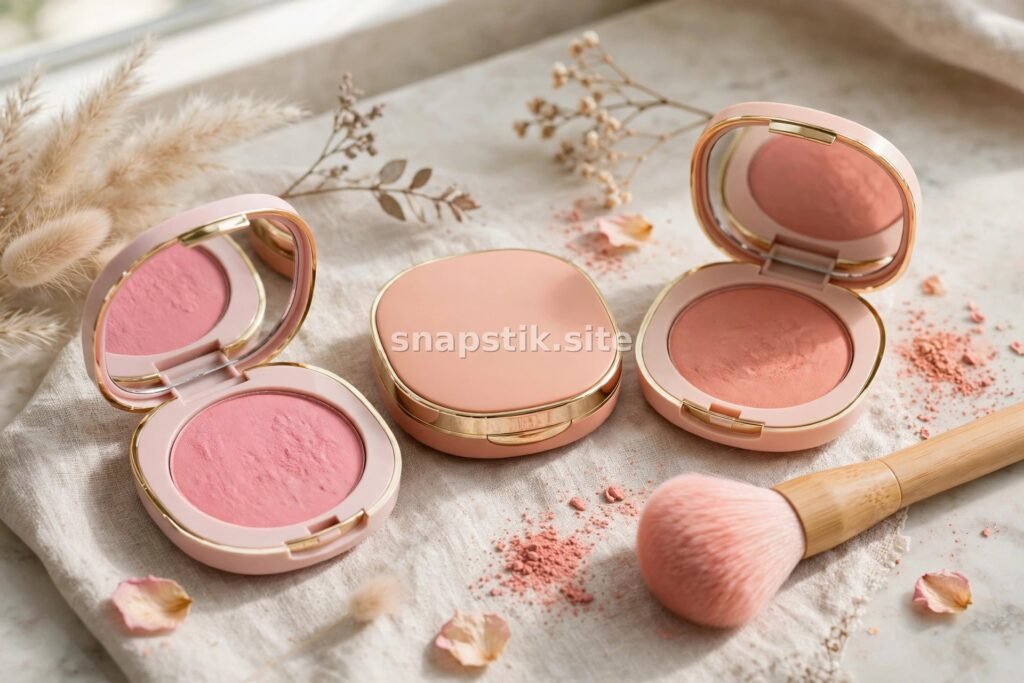
Blush is the quickest way to look healthy and awake. A touch of color on the cheeks brings warmth to the face and makes the rest of your makeup look finished. But the wrong shade or the wrong placement can look unnatural. This guide explains how to choose the right blush for your skin tone, which formula suits you, and where to apply it.
Choose a Blush Shade for Your Skin Tone
Fair skin looks best in soft pinks, light peaches, and rosy shades. These add color without overwhelming pale skin. Medium skin suits rose, mauve, and warm peach shades, which give a natural flush. Deep skin glows in rich berry, plum, and warm terracotta shades, which show up beautifully without looking ashy. If you are unsure, hold the blush next to your face in daylight; the right shade should make your skin look brighter, not washed out.
Match Blush to Your Undertone
Your undertone matters as much as your skin tone. Cool undertones suit pink and berry blushes with a blue base. Warm undertones suit peach, coral, and warm rose blushes. Neutral undertones can wear most shades. A quick way to check your undertone is the vein test: blue or purple veins usually mean cool, green veins usually mean warm, and a mix usually means neutral. Once you know it, shopping for blush becomes much simpler.
Powder, Cream, or Liquid Blush?
Powder blush is the classic choice. It is easy to control, lasts well, and suits oily and combination skin. Cream blush melts into the skin for a natural, dewy finish and suits dry and mature skin. Liquid blush is the most pigmented, so a tiny drop goes a long way, and it works well for a fresh, flushed look. Beginners often find cream blush easiest, because you can blend it with your fingers and fix mistakes quickly. Whatever formula you choose, start with a small amount and build up slowly.
Where to Apply Blush
Smile lightly and apply blush to the apples of your cheeks, then blend upward toward your temples. This lifts the face and looks natural. Avoid applying blush too low, near the nose, or too close to the mouth, which can drag the face down. For a more sculpted look, apply blush slightly higher on the cheekbone. Blend well so there is no harsh edge where the color stops. If you are unsure how much to use, start with a tiny amount and check in daylight; you can always add another light layer, but taking blush off means starting your base again.
Pair Blush with Contour and Highlight
Blush works best as part of a balanced face. Contour adds definition under the cheekbones, blush adds warmth to the apples, and highlighter adds light to the tops of the cheekbones. If you contour, apply it first, then blush, then highlighter. Our guide on how to contour like a pro explains the full technique. For the final touch, see our guide to the best highlighters for a natural glow to pick a highlighter that works with your blush.
Common Blush Mistakes
- Using too much product at once; start light and build up.
- Choosing a shade that is too dark or too bright for your skin tone.
- Applying blush too low on the face.
- Skipping blending, which leaves a visible stripe of color.
- Using a powder blush over a dewy foundation without setting it first.
The right blush makes you look healthy, rested, and polished with very little effort. Match the shade to your skin tone and undertone, pick a formula that suits your skin, and blend it well. If your base needs work first, our guide on how to apply foundation flawlessly will help you get a smooth canvas before you add color.

How to Take Care of Curly Hair

How to Build a Simple Skincare Routine

The Best Anti-Aging Skincare Ingredients
About The Author

Beauty Hub
Beauty Hub is a small independent website sharing practical, honest guides on nails, beauty, skincare, fashion, watches, cakes and home decor — plus plain-English guides to everyday money topics. Everything here is researched and written by our own team, with images created by us for each article.